
1. Cylinder head installation position: It is installed under the valve cover above the cylinder block.
2. The function of the cylinder head: to seal the cylinder, together with the top of the piston and the cylinder wall to form the combustion chamber. And it carries the components of the valve train, and the cylinder head has intake and exhaust passages for intake and exhaust.
3. Classification of cylinder head:
①Integral cylinder head: A complete cylinder head can cover all cylinders.
② Split cylinder head: It can be subdivided into two types: single type and block type.
Monolithic type: only covers one cylinder, mostly used for high-power diesel engines.
Block type: can cover two or more, a few are used in gasoline engines, and some are used in diesel engines.
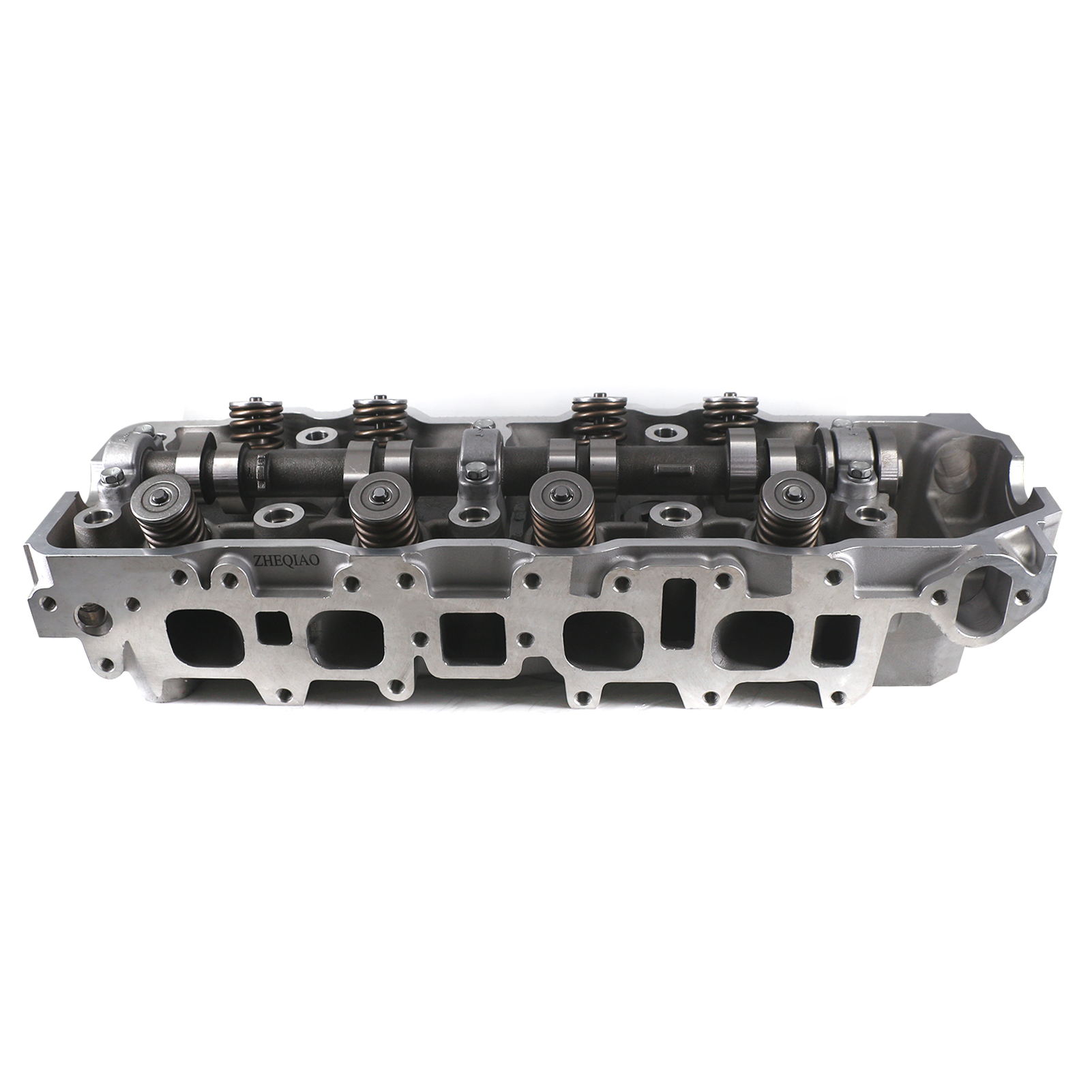
4. Materials used for the cylinder head: The cylinder head is generally made of two materials: aluminum alloy and cast iron. The cylinder heads of light car engines are mostly made of aluminum alloy. For heavy-duty diesel engines, the cylinder head is mostly made of cast iron.
5. Removal and installation of the cylinder head:
①Installation: Pay attention to the order of the middle and then the two sides, and tighten it diagonally two to three times. To ensure that the cylinder head gasket is evenly and flatly sandwiched between the cylinder head and the cylinder block to ensure tightness.
②Removal: pay attention to the order of the two sides first and then the middle, and loosen the bolts in two to three times in a diagonal manner.
Note: When installing the cylinder head, it must be ensured that the cylinder head is installed and tightened in a cold state, otherwise the installation parts will expand when the vehicle is hot, resulting in poor sealing.
 English
 German
 French
 Russian
 Spanish
 Japanese
 Korean
 Portuguese
 Ukrainian
 Arabic
 Italian
